
NSPIREDLIFE.CO.UK ≡ The Fowl Life Bridal & Party New Arrivals Freebase Nicotine
  • Crustaceans

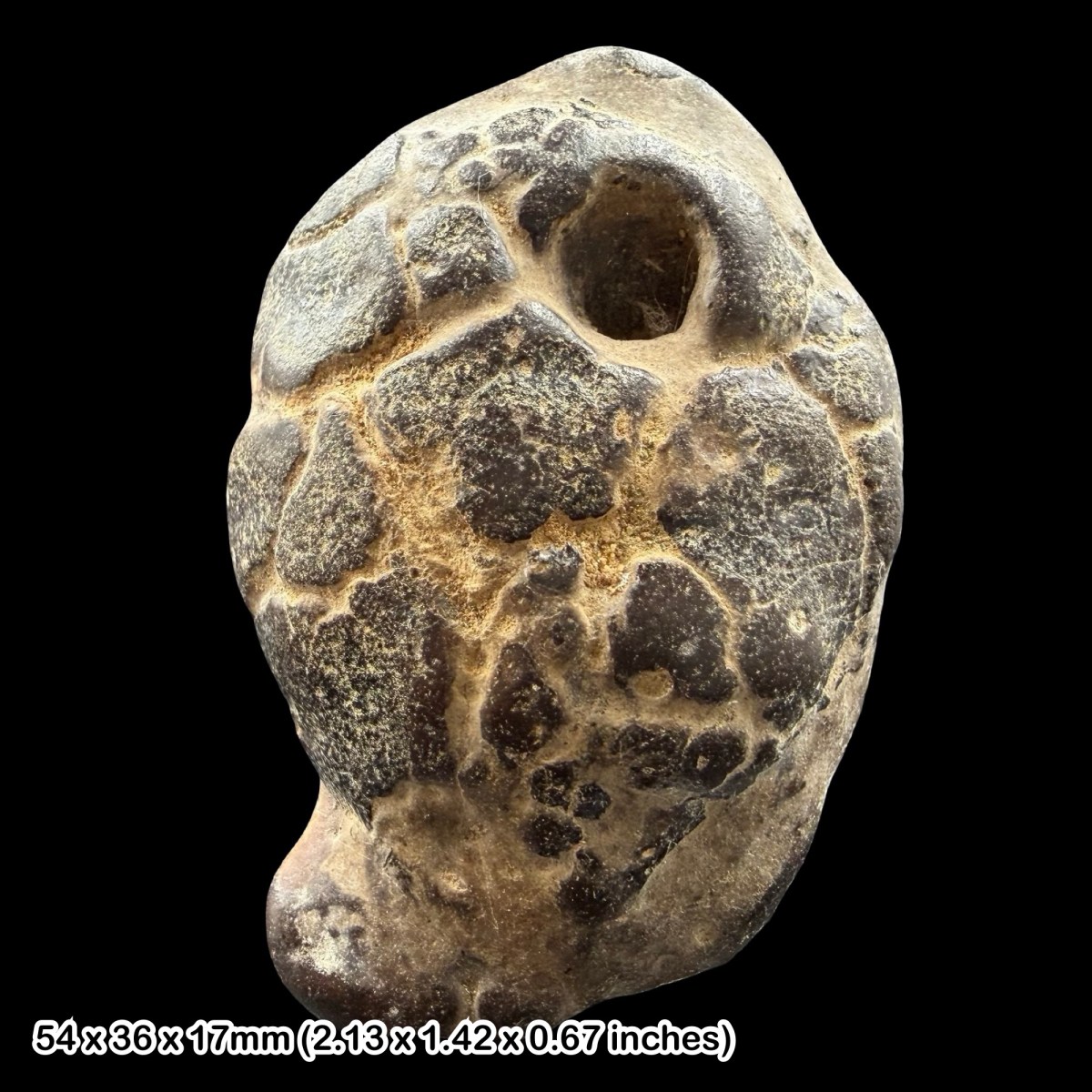
  • Pliocene Fossil Crab Red Crag Bawdsey Suffolk UK Marine Crab Fossil Specimen

Pliocene Fossil Crab Red Crag Bawdsey Suffolk UK Marine Crab Fossil Specimen

$29.16 $57.45
Description Genuine Pliocene Fossil Crab from the Red Crag of Suffolk This authentic fossil crab specimen originates from the famous Red Crag Formation at Bawdsey in Suffolk, England, one of Britain’s most important fossil-bearing deposits from the Pliocene Epoch. The Red Crag sediments preserve a remarkable record of marine life that inhabited the shallow seas covering eastern England approximately 3.6 to 2.6 million years ago. Crab fossils from the Red Crag are relatively uncommon compared with the abundant molluscs found in the formation, making well-preserved specimens particularly desirable among collectors. These fossils represent marine crustaceans that lived on the seabed of the ancient North Sea Basin during the late Neogene. This specimen has been carefully selected for preservation and display quality, preserving identifiable features of the crab’s carapace and structure. It represents an excellent example of marine arthropod life from the British Pliocene and makes an appealing addition to fossil collections or natural history displays. The photographs in the listing show the exact fossil specimen you will receive, and full sizing can be seen in the listing images. This fossil is a genuine specimen and includes a Certificate of Authenticity lifetime guarantee generic card, confirming its authenticity and geological provenance. Scientific Classification of Fossil Crabs Crabs belong to the order Decapoda, a diverse group of crustaceans that includes modern crabs, lobsters, and shrimps. Fossil crabs have existed for hundreds of millions of years and are commonly preserved in marine sedimentary rocks. Scientific classification includes: Kingdom: Animalia Phylum: Arthropoda Subphylum: Crustacea Class: Malacostraca Order: Decapoda Infraorder: Brachyura Members of the infraorder Brachyura, commonly known as true crabs, are characterised by a broad flattened body and a reduced abdomen tucked beneath the carapace. Fossil crabs preserved within the Red Crag deposits represent species that inhabited shallow marine environments along the Pliocene coastline of what is now eastern England. Morphology of Crab Fossils Crabs possess a distinctive anatomy that allows them to be recognised even when preserved as incomplete fossils. Typical morphological features include: Broad flattened carapace forming the upper shell Segmented body structure Attachment points for walking legs Distinct margins around the shell edges Surface ornamentation or ridges on the carapace The carapace is composed of a hard calcified exoskeleton, which fossilises relatively well compared with softer tissues. During fossilisation, the exoskeleton may be preserved as mineralised shell material or as a natural mould within the surrounding sediment. Geological Formation and Stratigraphy The specimen comes from the Red Crag Formation, a distinctive fossil-bearing sediment found along the Suffolk and Essex coasts of eastern England. Key geological details include: Formation: Red Crag Formation Geological Period: Neogene Epoch: Pliocene Approximate Age: 3.6–2.6 million years The Red Crag deposits are composed primarily of: Iron-stained marine sand Shell-rich gravel layers Cross-bedded sediment Fossil-rich marine sands The red coloration of the formation results from iron oxide minerals that formed during the oxidation of iron within the sediment. Marine Environment of the Pliocene North Sea Basin During the Pliocene Epoch, eastern England lay along the margin of the North Sea Basin, which was covered by shallow marine waters. These seas supported a diverse range of marine organisms, many of which are preserved within the Red Crag sediments. Marine life from this environment included: Marine crabs and crustaceans Molluscs such as bivalves and gastropods Sharks and rays Marine mammals Fish and echinoderms Crabs lived along the sandy seabed, where they scavenged and hunted small marine organisms. Their remains occasionally became buried within marine sediment after death. Fossil Preservation in the Red Crag The energetic coastal conditions of the Red Crag environment resulted in the concentration of fossil material within shell beds. Waves and tidal currents transported shells and skeletal remains before burial. Crab fossils are preserved when the calcified exoskeleton becomes buried within sand and shell deposits. Over time, mineralisation processes preserve the structure of the shell within the sediment. In many cases, the fossil retains the original surface details of the carapace, providing insight into the morphology of the ancient crab. Fossil Discoveries at Bawdsey Bawdsey is one of the best-known Red Crag fossil localities in Britain. Coastal erosion continually exposes fossil-bearing layers of the formation, revealing a wide variety of marine fossils. The Red Crag deposits have been studied extensively by palaeontologists because they preserve an important record of marine ecosystems from the late Neogene. Fossils from this formation provide valuable information about the environmental conditions that existed in the North Sea region prior to the onset of the Ice Ages. Authentic Fossil Specimen This specimen represents a genuine fossil crab from the Red Crag Formation at Bawdsey, Suffolk, United Kingdom. Key details include: Authentic fossil crab specimen Marine crustacean fossil Geological Formation: Red Crag Geological Epoch: Pliocene Approximate Age: 3.6–2.6 million years Locality: Bawdsey, Suffolk, England Fossil from classic East Anglian Red Crag deposits Exact specimen shown in listing photographs Full sizing visible in listing images Includes Certificate of Authenticity lifetime guarantee generic card This fossil crab represents a preserved marine arthropod from the ancient Pliocene seas of the North Sea Basin, making it a fascinating and historically significant addition to fossil collections, geological displays, and natural history collections.
Crustaceans

Crustaceans

  • Lobster claw fossil – cretaceous greensand – branscombe, devon, uk
    $50.4 $84.17
  • British Jurassic Lobster Fossil Fragments 5–20mm, Oxford Clay, Weymouth Dorset UK Crustacean
    $33.66 $58.57
  • Fossil Lobster Fragments Enoploclytia leachii | Cretaceous Cenomanian Sussex UK | Genuine COA
    $10.21 $15.72
  • Very rare: notopocorystes normani fossil chalk crab, cenomanian, cretaceous, glynde, east sussex, uk
    $14.48 $20.27
  • Pliocene Fossil Crab Red Crag Bawdsey Suffolk UK Marine Crab Fossil Specimen
    $29.16 $57.45
  • Rare Carpopenaeus callirostris Fossil Shrimp Cenomanian Upper Cretaceous Hjoula Quarry Lebanon
    $43.55 $66.63
  • Fossil Lobster Claw Enoploclytia leachii | Cretaceous Cenomanian Sussex UK | Genuine COA
    $34.02 $43.55
  • RARE Hoploparia longimana Fossil Lobster Cretaceous Dorset UK Upper Greensand Lyme Regis
    $52.33 $101
  • Rare hoploparia longimana lobster fossil – gault clay, middle aptian, cretaceous – folkestone, kent, uk
    $25.92 $39.66
  • Rare Pseudostacus hakelinsis Fossil Lobster Cenomanian Upper Cretaceous Hakel Quarry Lebanon | Genuine Natural Crustacean Fossil with COA
    $63.36 $125.45
  • RARE Fossil Crab Claw & Fragments – Notopocorystes – Cenomanian, Cretaceous – Sussex UK – Authentic Crustacean Fossil with COA
    $29.16 $45.2
  • Rare: hoploparia fossil lobster – eocene, london clay formation, warden point, sheppey, kent, uk
    $25.92 $50.54
  • Serpulid Cycloserpula intestinalis Fossil Kimmeridge Clay Jurassic Dorset UK A-Grade
    $23.72 $44.59
  • Protocallianassa faujasi Fossil Burrowing Shrimp, Cretaceous, Maastrichtian: Eben-Emael, Belgium – 100% Genuine with COA
    $32.13 $39.84
  • RARE: Fossil Juvenile Crab – Notopocorystes stokesi – Gault Clay – Cretaceous – Folkestone, Kent, UK
    $18.36 $32.31
  • Carpopenaeus callirostris Fossil Shrimp Cenomanian Upper Cretaceous Hakel Quarry Lebanon
    $27.54 $36.9

© 2026 - NSPIREDLIFE.CO.UK