NSPIREDLIFE.CO.UK ≡ The Fowl Life Bridal & Party New Arrivals Freebase Nicotine
  • Crustaceans

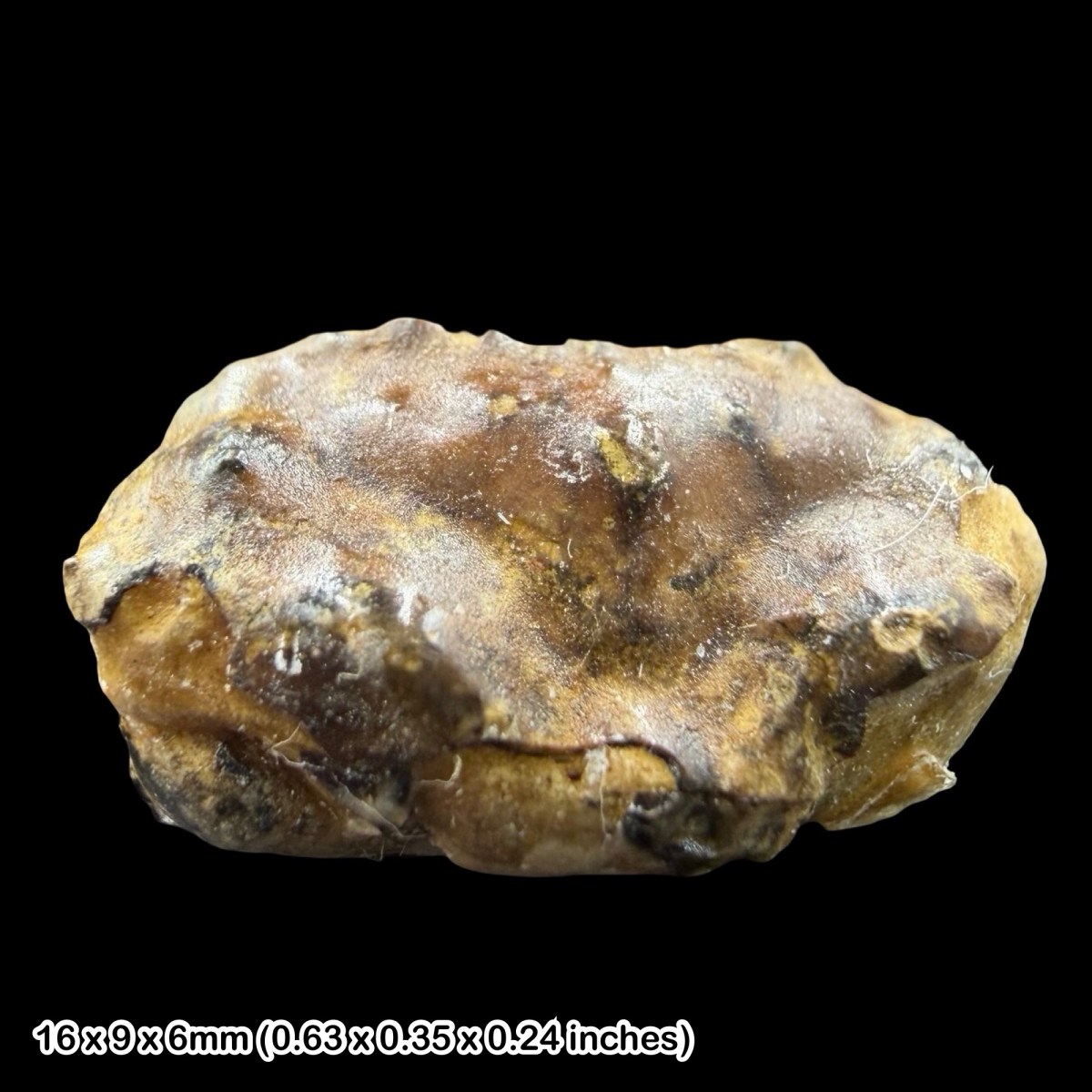
  • Fossil Crab London Clay Eocene Isle of Sheppey Kent UK Brachyura Marine Fossil Ypresian Crustacean

Fossil Crab London Clay Eocene Isle of Sheppey Kent UK Brachyura Marine Fossil Ypresian Crustacean

$11.66 $21.58
Description Genuine Fossil Crab from the London Clay of the Isle of Sheppey This genuine fossil crab belonging to the infraorder Brachyura originates from the famous London Clay Formation of the Isle of Sheppey, Kent, United Kingdom. Preserved within Eocene marine sediments dating to the Ypresian stage, approximately 56–47.8 million years ago, this fossil represents a fascinating crustacean that once lived in the warm subtropical seas that covered southern Britain during the early part of the Cenozoic Era. The specimen has been carefully selected as an attractive and interesting example of London Clay crustacean fossil material. The photographs show the exact fossil you will receive, allowing collectors to observe the preserved structure and natural matrix surrounding the specimen. Please refer to the photographs for the full sizing and proportions. The fossil includes a Certificate of Authenticity lifetime guarantee generic card confirming that the specimen is a genuine fossil. About Brachyura – True Crabs True crabs belong to the infraorder Brachyura within the order Decapoda, a large group of crustaceans that also includes lobsters, shrimps, and prawns. Brachyuran crabs are distinguished by their broad carapace, reduced abdomen folded beneath the body, and powerful chelae or claws used for feeding and defence. These animals are highly adaptable and have existed in marine environments for over 200 million years. During the Eocene epoch, brachyuran crabs had already diversified into numerous ecological niches, occupying coastal seabeds, reef environments, and deeper marine habitats. Although the exact species of this specimen cannot be determined with certainty, fossils from the London Clay Formation frequently represent members of several crab families that inhabited the warm Eocene seas surrounding what is now the British Isles. Morphology and Anatomical Features Brachyuran crabs are characterised by a broad, flattened carapace that protects the internal organs and supports the attachment of limbs. The carapace typically displays ridges, grooves, or ornamentation depending on the species. The body includes five pairs of legs, with the front pair modified into claws used for capturing prey, manipulating food, and defence. The abdomen is reduced and folded tightly beneath the body, a defining characteristic of true crabs. Fossil preservation in the London Clay often captures the outline of the carapace and sometimes the base of the limbs. Even partial specimens can display the distinctive body shape that allows identification as a brachyuran crab. Geological Setting – London Clay Formation The London Clay Formation is one of the most significant Eocene fossil-bearing formations in the United Kingdom. It was deposited during the early Eocene epoch in a shallow marine basin that covered much of southeastern England. The formation consists primarily of dark marine clays that accumulated slowly on the seabed. These sediments were laid down in a warm subtropical sea connected to the early Atlantic Ocean. The depositional environment supported a rich marine ecosystem and also received plant material transported from nearby tropical forests. The Isle of Sheppey in Kent is one of the most famous locations for London Clay fossils. Coastal erosion continually exposes new fossils, making it one of the most productive fossil collecting sites in Britain. Eocene Marine Ecosystem of the Isle of Sheppey During the Ypresian stage of the Eocene epoch, the climate of southern Britain was significantly warmer than today. The region was covered by warm coastal waters that supported diverse marine life. Fossils from the London Clay include crabs, lobsters, fish, sharks, molluscs, and numerous plant remains transported from nearby landmasses. The diversity of crustaceans preserved in these deposits reflects a thriving marine ecosystem where crabs played an important role as scavengers and predators. These animals likely lived on the seabed where they fed on small invertebrates, organic material, and other available food sources. Their remains were eventually buried in fine clay sediments that preserved them as fossils. Authenticity and Collectability • Genuine fossil crab belonging to the infraorder Brachyura • London Clay Formation, Eocene • Ypresian stage, approximately 56–47.8 million years old • Collected from the Isle of Sheppey, Kent, United Kingdom • The exact fossil shown in the photographs is the specimen you will receive • Includes a Certificate of Authenticity lifetime guarantee generic card Fossils from the London Clay Formation are highly prized among collectors due to their scientific significance and the exceptional diversity of species preserved within the deposit. This fossil crab from the Isle of Sheppey represents a fascinating glimpse into the subtropical marine ecosystems of the Eocene and makes an excellent addition to any fossil collection, geological display, or natural history study.
Crustaceans

Crustaceans

  • Carpopenaeus callirostris Fossil Shrimp Cenomanian Upper Cretaceous Hakel Quarry Lebanon
    $27.54 $36.9
  • Fossil Lobster Fragments Enoploclytia leachii | Cretaceous Cenomanian Sussex UK | Genuine COA
    $10.21 $15.72
  • Very rare: notopocorystes normani fossil chalk crab, cenomanian, cretaceous, glynde, east sussex, uk
    $14.48 $20.27
  • Pliocene Fossil Crab Red Crag Bawdsey Suffolk UK Marine Crab Fossil Specimen
    $29.16 $57.45
  • British Jurassic Lobster Fossil Fragments 5–20mm, Oxford Clay, Weymouth Dorset UK Crustacean
    $33.66 $58.57
  • RARE Fossil Crab Claw & Fragments – Notopocorystes – Cenomanian, Cretaceous – Sussex UK – Authentic Crustacean Fossil with COA
    $29.16 $45.2
  • Protocallianassa faujasi Fossil Burrowing Shrimp, Cretaceous, Maastrichtian: Eben-Emael, Belgium – 100% Genuine with COA
    $32.13 $39.84
  • Rare hoploparia longimana lobster fossil – gault clay, middle aptian, cretaceous – folkestone, kent, uk
    $25.92 $39.66
  • Lobster claw fossil – cretaceous greensand – branscombe, devon, uk
    $50.4 $84.17
  • RARE Hoploparia longimana Fossil Lobster Cretaceous Dorset UK Upper Greensand Lyme Regis
    $52.33 $101
  • Serpulid Cycloserpula intestinalis Fossil Kimmeridge Clay Jurassic Dorset UK A-Grade
    $23.72 $44.59
  • RARE: Fossil Juvenile Crab – Notopocorystes stokesi – Gault Clay – Cretaceous – Folkestone, Kent, UK
    $18.36 $32.31
  • Rare Carpopenaeus callirostris Fossil Shrimp Cenomanian Upper Cretaceous Hjoula Quarry Lebanon
    $43.55 $66.63
  • Rare: hoploparia fossil lobster – eocene, london clay formation, warden point, sheppey, kent, uk
    $25.92 $50.54
  • Fossil Lobster Claw Enoploclytia leachii | Cretaceous Cenomanian Sussex UK | Genuine COA
    $34.02 $43.55
  • Rare Pseudostacus hakelinsis Fossil Lobster Cenomanian Upper Cretaceous Hakel Quarry Lebanon | Genuine Natural Crustacean Fossil with COA
    $63.36 $125.45

© 2026 - NSPIREDLIFE.CO.UK