NSPIREDLIFE.CO.UK ≡ The Fowl Life Bridal & Party New Arrivals Freebase Nicotine
  • Fish

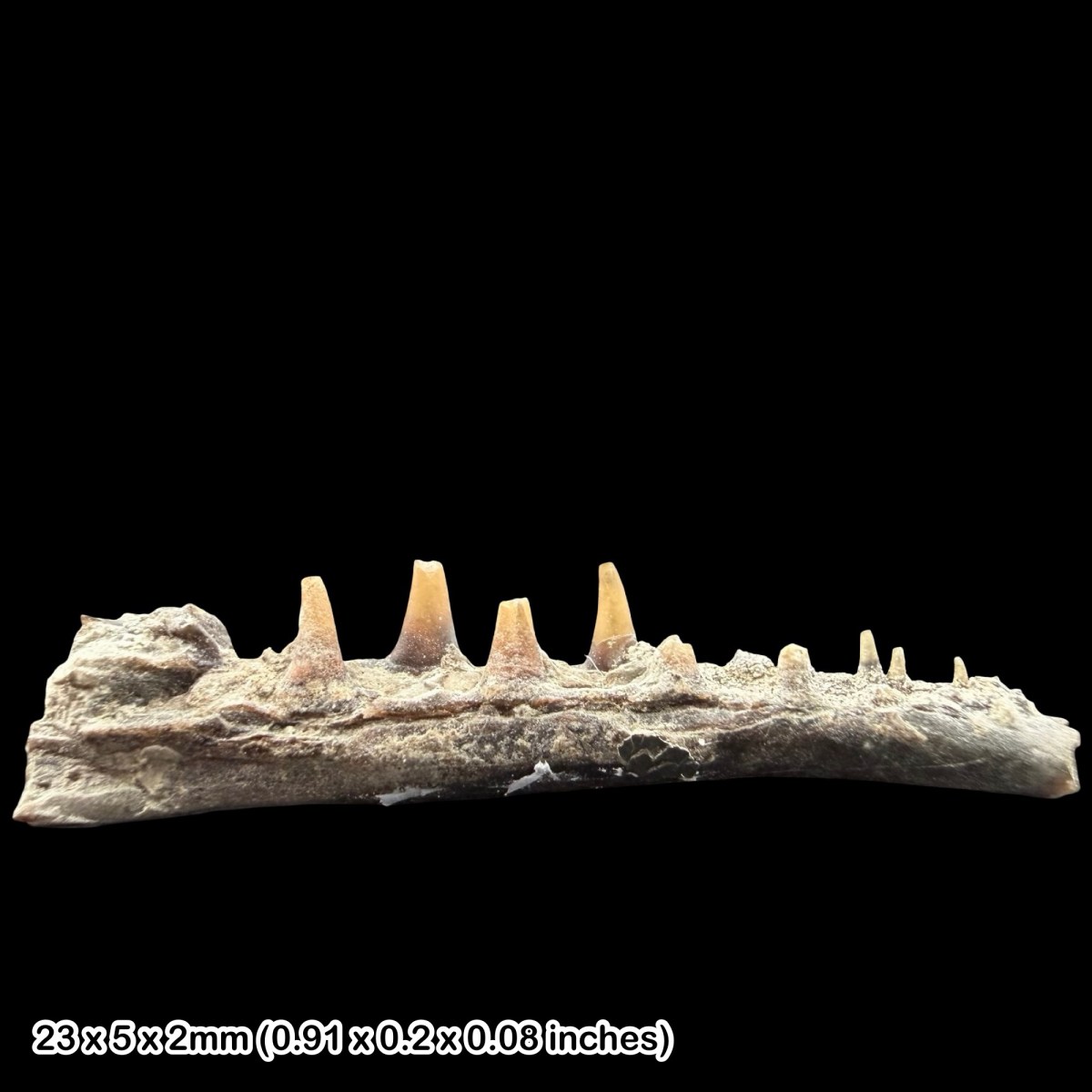
  • Aspidorhynchus euodus Fish Jaw Fossil Oxford Clay Jurassic UK Callovian Peterborough Cambridgeshire Predatory Fish Fossil

Aspidorhynchus euodus Fish Jaw Fossil Oxford Clay Jurassic UK Callovian Peterborough Cambridgeshire Predatory Fish Fossil

$55.47 $79.88
Description Genuine Aspidorhynchus euodus Fossil Fish Jaw from the Oxford Clay This genuine fossil fish jaw belonging to Aspidorhynchus euodus originates from the renowned Oxford Clay Formation at King’s Dyke, Whittlesey near Peterborough, Cambridgeshire, United Kingdom. Preserved within Middle Jurassic marine sediments dating to the Callovian stage, approximately 166–163 million years ago, this fossil represents part of the jaw apparatus of a fast-moving predatory fish that once inhabited the Jurassic seas covering much of what is now Britain. The specimen has been carefully selected as an interesting and authentic piece of Jurassic vertebrate material. The photographs show the exact fossil you will receive, allowing collectors to clearly observe the preservation and structure of the fossilised jaw. Please refer to the photographs for the full sizing and proportions of the specimen. This fossil includes a Certificate of Authenticity lifetime guarantee generic card confirming that it is a genuine fossil specimen. About Aspidorhynchus euodus – A Jurassic Predatory Fish Aspidorhynchus euodus is an extinct species of ray-finned fish belonging to the genus Aspidorhynchus, a group of predatory marine fishes that thrived during the Jurassic and Cretaceous periods. The genus is placed within the family Aspidorhynchidae and the order Aspidorhynchiformes, a group of primitive actinopterygian fishes known for their elongated snouts and streamlined bodies. These fish were highly adapted predators that occupied mid-water hunting niches in Jurassic marine ecosystems. Their long jaws were lined with sharp conical teeth designed for seizing fish and other small marine organisms. Fossil discoveries of Aspidorhynchus from various Jurassic deposits indicate that they were fast swimmers capable of pursuing agile prey. The species Aspidorhynchus euodus is particularly associated with the Middle Jurassic Oxford Clay deposits of England, where it is preserved alongside other marine vertebrates such as ichthyosaurs, plesiosaurs, and marine crocodiles. Jaw Anatomy and Feeding Adaptations The jaws of Aspidorhynchus were elongated and narrow, forming a spear-like snout adapted for rapid strikes. The jaws contained numerous small, pointed teeth arranged along the margins of the bone. These teeth were ideally suited for gripping slippery prey such as small fish and cephalopods. The rigid jaw structure provided strength while maintaining a lightweight design that allowed rapid snapping motions when capturing prey. Fossil jaw sections such as this one provide important insight into the feeding anatomy of Jurassic predatory fishes and help palaeontologists reconstruct the ecological roles these animals played in ancient marine environments. Jaw fragments are among the most informative fossil elements for identifying predatory fish because they preserve both tooth morphology and bone structure associated with feeding behaviour. Geological Setting – Oxford Clay Formation The Oxford Clay Formation is one of the most famous Middle Jurassic fossil-bearing deposits in the United Kingdom. This formation consists primarily of marine mudstones and clays deposited in a warm epicontinental sea that covered much of southern and central Britain during the Callovian stage. The sediments accumulated slowly on the seabed in relatively calm conditions, allowing the remains of marine organisms to be buried and preserved. The Oxford Clay is particularly renowned for its exceptionally rich marine fossil assemblage. Fossils from this formation include ammonites, belemnites, fish, marine reptiles such as ichthyosaurs and plesiosaurs, crustaceans, and various invertebrates. The deposits at King’s Dyke near Whittlesey have produced many important vertebrate fossils and are considered one of the classic localities for Oxford Clay fossils. Middle Jurassic Marine Ecosystem of Britain During the Callovian stage of the Middle Jurassic, the region that is now eastern England lay beneath a shallow tropical sea connected to the wider Tethyan Ocean system. These waters supported a diverse and productive marine ecosystem. Predatory fishes like Aspidorhynchus shared these seas with marine reptiles, ammonites, squid-like belemnites, crustaceans, and a wide range of other marine organisms. Fast-swimming fish species occupied important roles in the marine food web, acting both as predators and as prey for larger animals such as marine reptiles. The exceptional fossil record of the Oxford Clay allows scientists to reconstruct the biodiversity and ecological interactions that characterised these ancient Jurassic seas. Authenticity and Collectability • Genuine fossil fish jaw identified as Aspidorhynchus euodus • Oxford Clay Formation, Middle Jurassic • Callovian stage, approximately 166–163 million years old • Collected from King’s Dyke, Whittlesey, Peterborough, Cambridgeshire, United Kingdom • The exact fossil shown in the photographs is the specimen you will receive • Includes a Certificate of Authenticity lifetime guarantee generic card Fossil fish remains from the Oxford Clay are highly sought after by collectors due to their connection with one of Britain’s most important Jurassic fossil deposits. This Aspidorhynchus euodus jaw fragment represents a fascinating example of Middle Jurassic marine life and makes an excellent addition to any fossil collection, geological display, or natural history study.
Fish

Fish

  • Rare Monte Bolca Fossil Fish with Larvae Eocene Ypresian Italy Limestone Specimen – Monte Bolca Verona Lagerstätte Fish Fossil Display
    $43.75 $70.44
  • Palaeospondylus gunni Fossil Fish Devonian Scotland Achanarras Limestone Caithness Rare Fossil Vertebrate Old Red Sandstone Specimen
    $29.16 $50.74
  • Gyracanthus Fin Spine Fossil Carboniferous Fish Shropshire UK Coal Measures Acanthodian Fossil Upper Carboniferous Prehistoric Fish Spine
    $97.2 $150.66
  • RARE British Chalk Fish Jaw & Bones Enchodus lewesiensis Cretaceous Cenomanian Kent UK | Authentic Fossil
    $48.6 $74.84
  • Jurassic Fish Skull Fossil Lyme Regis Dorset UK Black Ven Marls Lower Lias Authentic Specimen
    $48.6 $60.75
  • British Chalk Fish Fossil Bones Cretaceous Chalk Sussex England | Authentic UK Vertebrate Fossil
    $19.44 $30.52
  • Rare Gyrodus cuvieri Fossil Fish Jurassic Dorset UK Kimmeridge Clay Specimen Genuine Upper Jurassic Fish Fossil Fleet Dorset with COA
    $41.85 $71.15
  • Monte Bolca Fossil Teleost Fish Eocene Italy Limestone Fish Fossil Specimen Verona Monte Bolca Lagerstätte Natural Fossil with COA
    $44.09 $86.86
  • Rare Furo Fossil Fish Jurassic Lyme Regis Dorset UK Black Ven Marls Genuine Jurassic Coast Fish Fossil Lower Lias Specimen with COA
    $45.57 $77.92
  • Fossil Syngnathus Pipe Fish Pliocene Italy Marecchia Valley Fish Fossil Specimen
    $45.55 $60.58
  • Fossil Fish Vertebra Specimen Cretaceous Dorset UK Durlston Bay Swanage Purbeck Beds Durlston Formation Rare Vertebrate Fossil
    $19.44 $23.72
  • Gaudryella Fossil Fish Cenomanian Upper Cretaceous Hjoula Quarry Lebanon
    $29.16 $46.36
  • Jurassic Fossil Fish Scales Body Section Lyme Regis Dorset UK Specimen – Charmouth Mudstone Lower Jurassic Fish Fossil Display
    $14.58 $24.2
  • Lepidotes Fossil Fish Body Section with Scales Jurassic Lyme Regis Dorset Blue Lias Monmouth Beach Premium Signed COA Included
    $59.84 $104.12
  • Osteolepis macrolepidotus Fossil Fish 11.5″ Early Devonian Scotland Old Red Sandstone COA
    $56.76 $73.22
  • Rare Dapedium politum Fossil Fish Jurassic Lyme Regis Dorset UK – Lower Lias Black Ven Marls Specimen with Hand Signed Certificate
    $66.06 $89.84

© 2026 - NSPIREDLIFE.CO.UK